What Is Agricultural Technology? Best Career Paths
What agricultural technology (agtech) is and the best agtech career paths, from robotics and data science to agronomy and sustainability roles.
What Is Agricultural Technology? The Best Agtech Career Paths
Agriculture is often imagined as one of the oldest, most traditional industries, but it's quietly become one of the most high-tech, and that transformation has a name: agricultural technology, or "agtech." From satellite-guided tractors to AI-driven crop analytics, agtech blends farming with cutting-edge science and engineering, and it's creating a wave of modern, well-paid career paths that look nothing like the farming of a generation ago. Understanding what agtech is and where the opportunities lie can open the door to a fast-growing, meaningful field, whether you're coming from a technical background looking for purpose-driven work or already in agriculture and looking to specialize.
What Is Agricultural Technology?
Agricultural technology refers to the application of modern tools, science, and digital innovation to improve how we grow food, raise livestock, and manage farms. It spans a huge range:
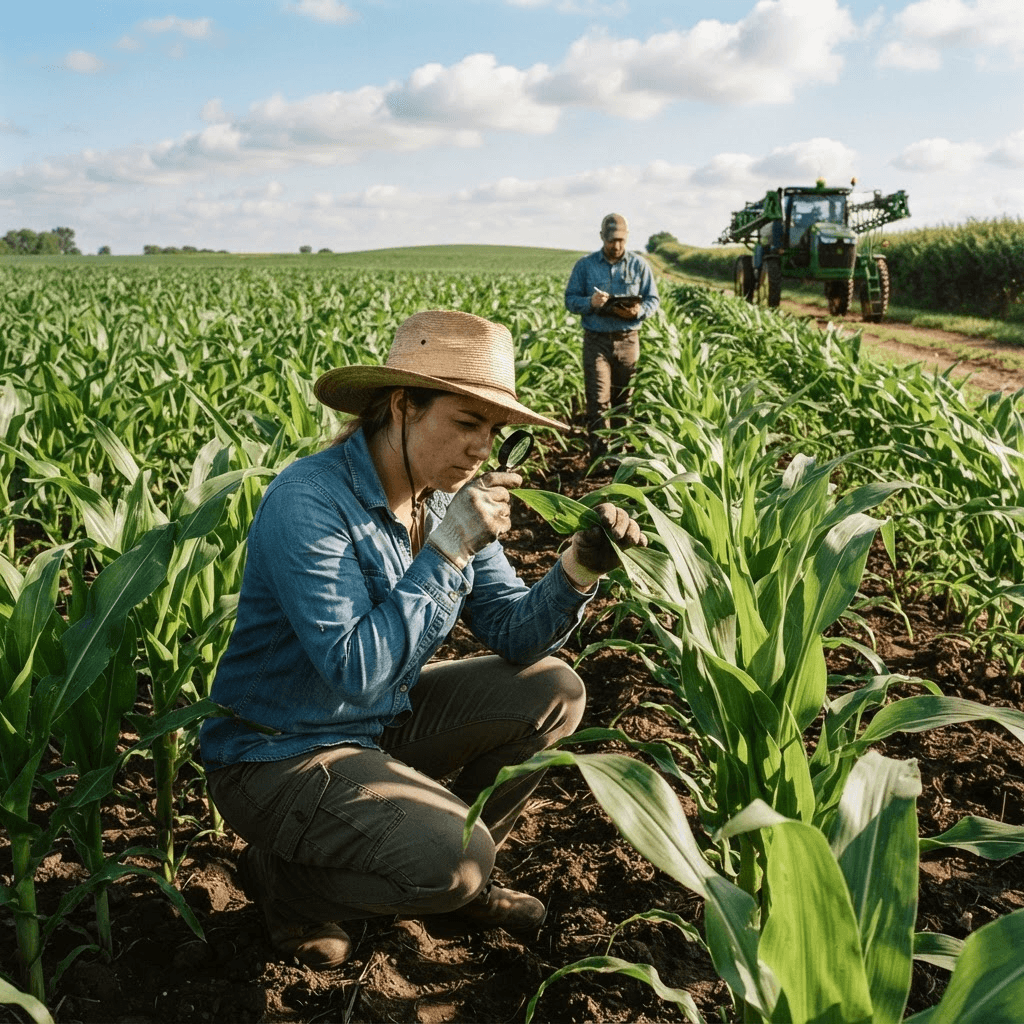
- Precision agriculture, using GPS, sensors, and data to manage fields with pinpoint accuracy.
- Drones and satellite imaging.
- Automated and robotic machinery.
- Biotechnology and crop genetics.
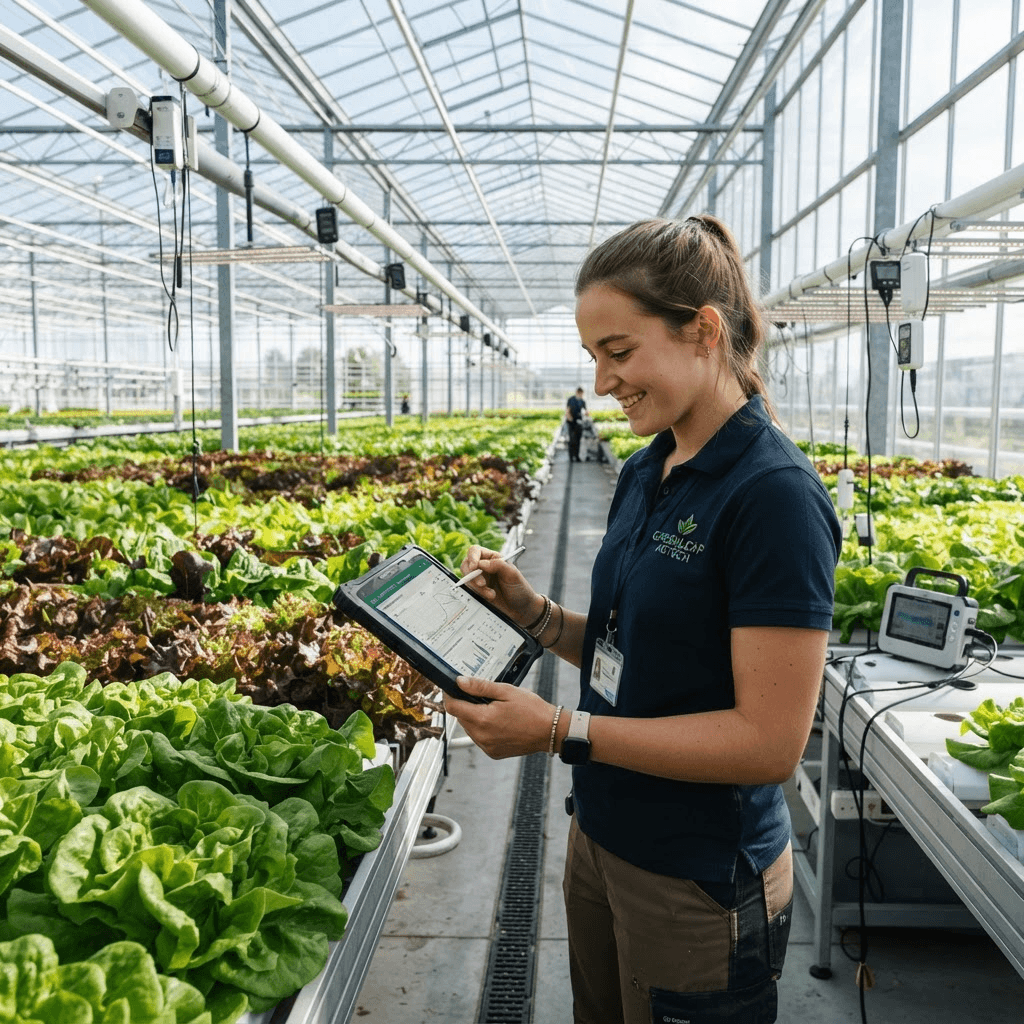
- Vertical farming and controlled-environment agriculture.
- Farm-management software.
- IoT sensors that monitor soil, weather, and animals.
The unifying goal is to make agriculture more productive, efficient, sustainable, and resilient in the face of climate change, labor shortages, and a growing global population. Nearly every part of modern farming, from planting to harvest to the paperwork afterward, now has an agtech tool built specifically to improve it.
Why Agtech Careers Are Growing So Fast
The forces driving agtech's growth make it a smart field to enter. The world needs to produce significantly more food on limited land and water, all while reducing environmental impact, and technology is the primary lever for doing that.
At the same time, farms face labor shortages and rising costs, pushing adoption of automation and data tools. This combination means demand for people who can build, deploy, and support agricultural technology is climbing steadily, and because the field sits at the intersection of agriculture, tech, science, and business, it welcomes talent from many backgrounds, not just people with a farming pedigree.
Engineering and Technical Career Paths in Agtech
- Agricultural or biosystems engineers design machinery, irrigation, and systems.
- Robotics and automation engineers develop autonomous tractors, harvesting robots, and drones.
- Software developers and data engineers build the platforms and IoT systems that run modern farms.
- Data scientists and agronomic analysts turn sensor and imagery data into actionable insights, an increasingly important role as farms generate more data than ever.
- Drone/UAV operators and precision-agriculture specialists deploy these technologies directly in the field.
These roles tend to draw people from traditional engineering and computer science backgrounds who are looking to apply their skills to a mission-driven industry.
Science and Sustainability Career Paths in Agtech
The science and sustainability side offers equally compelling paths:
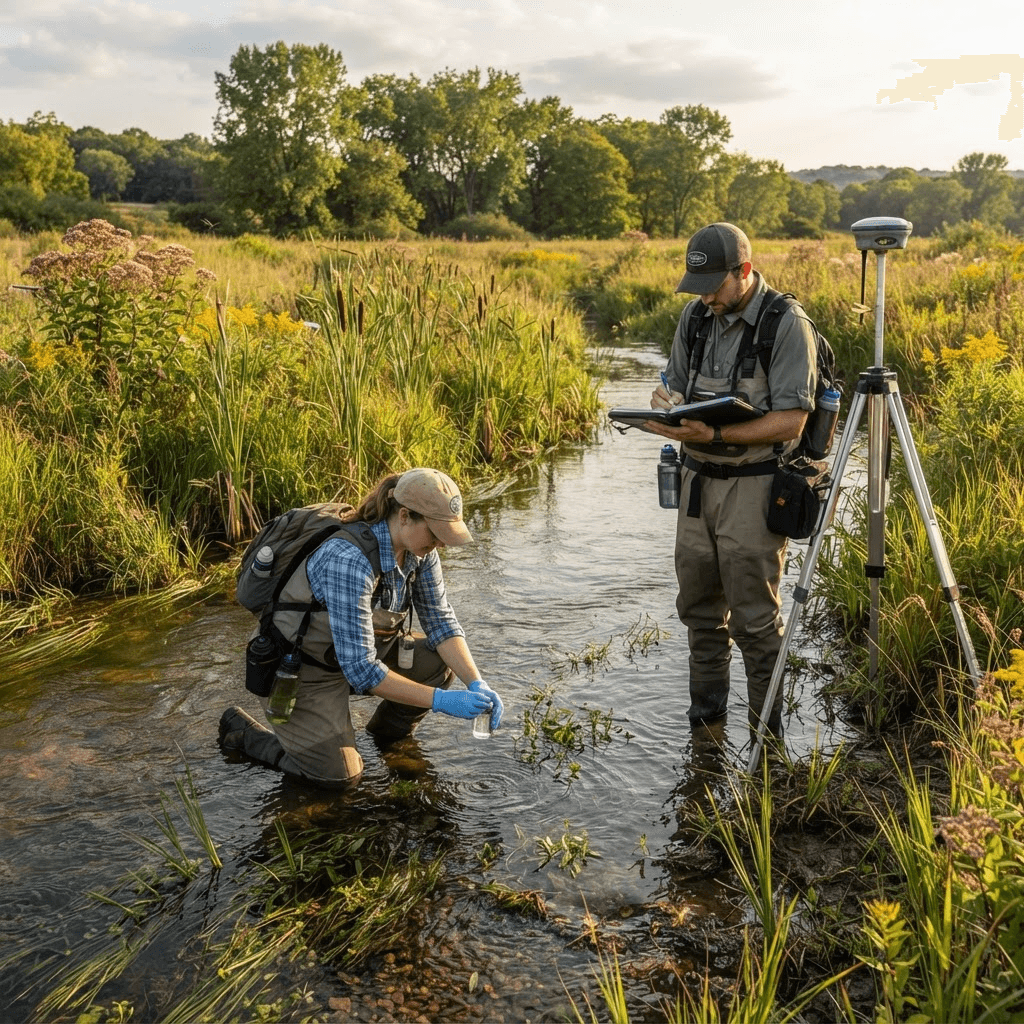
- Agronomists and crop scientists apply plant and soil science to maximize healthy, sustainable yields.
- Biotechnologists and plant geneticists develop hardier, more productive, disease-resistant crops.
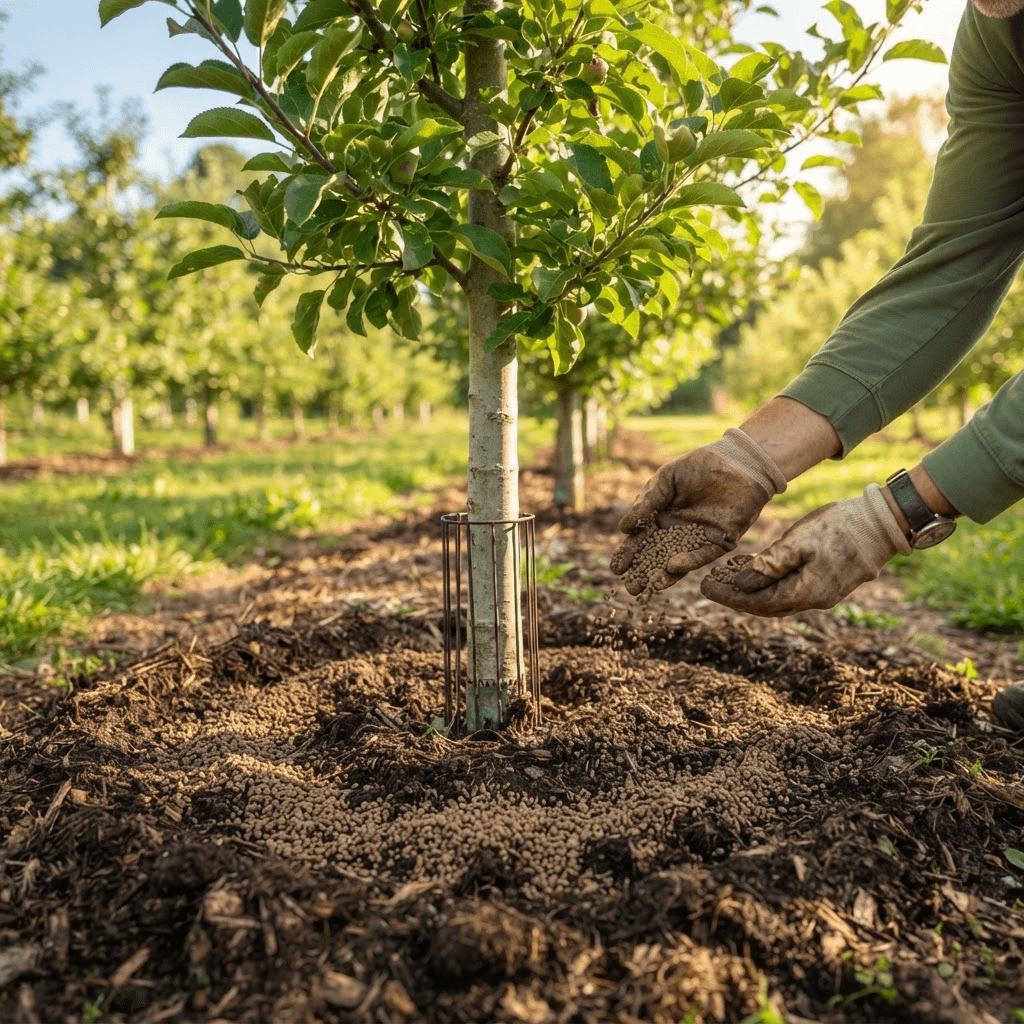
- Soil scientists, environmental specialists, and sustainability experts help farms conserve resources and meet environmental goals.
- Controlled-environment specialists design and run greenhouses and vertical farms.
These roles blend deep scientific knowledge with the practical goal of feeding people responsibly, and they're central to agriculture's future as both climate pressures and consumer expectations around sustainability continue to rise.
Business and Support Career Paths in Agtech
Beyond the lab and field, agtech needs business, communication, and support professionals too:
- Agribusiness managers, overseeing the commercial side of technology-driven farm operations.
- Sales and support staff for technology providers, helping farmers actually adopt and use new tools.
- Supply-chain and logistics experts, coordinating how agtech products and agricultural output move efficiently.
- Agricultural economists and consultants, who help farms adopt and profit from new tools rather than just purchase them.
These roles are often the least visible part of agtech but among the most essential, since even the best technology delivers little value if farmers can't successfully adopt and integrate it into daily operations.
How to Get Started in an Agtech Career
Getting started can take many routes:
- Degrees in agricultural engineering, agronomy, data science, computer science, or environmental science all lead in.
- Technical certifications in drones, GIS, or specific equipment platforms.
- Hands-on experience through internships or work on tech-forward farms, which is often what employers weigh most heavily.
Because agtech is such a young and fast-moving field, many current professionals arrived from adjacent industries, transitioning from general software engineering, mechanical engineering, or environmental science into agriculture-specific applications of their existing skills. This makes it an unusually accessible field to pivot into mid-career, since the underlying technical skills often transfer directly, even when the specific agricultural context is new.
If you are mapping a route into the field, our agtech career resources cover the skills employers actually ask for.
Frequently Asked Questions About Agtech Careers
Do I need a farming background to work in agtech? No. Many of the strongest agtech career paths, software development, robotics engineering, data science, draw primarily on technical skills, with agricultural knowledge developed on the job rather than required up front.
What is the difference between agtech and agribusiness? Agribusiness is the broader commercial system of producing, processing, and distributing food. Agtech specifically refers to the technology, tools, and digital innovation applied within that system, so agtech careers tend to be more technical and tool-focused than general agribusiness roles.
Which agtech careers pay the best? Roles requiring specialized technical skills, robotics and automation engineering, data science, and biotechnology, tend to command the highest salaries, though compensation varies significantly by employer, region, and experience level.
The Bottom Line
Whether your strength is engineering, data, science, or business, agricultural technology offers a rare chance to work on genuinely important problems, feeding the world sustainably, while riding one of the most dynamic growth areas in the modern economy.